
The Yankees’ front office has been noticeably quiet on the free agent market recently. This inactivity, which I’ve covered extensively, likely stems from a strategic plan based on anticipated developments in the upcoming Collective Bargaining Agreement (CBA) discussions.
Major League Baseball is reportedly planning a significant reduction in the size of the Minor Leagues, with changes potentially beginning in 2027 and possibly deepening in the following years. While earlier speculation suggested this contraction would occur over the next decade, more recent information indicates that it is slated for discussion during the upcoming Collective Bargaining Agreement (CBA) negotiations.
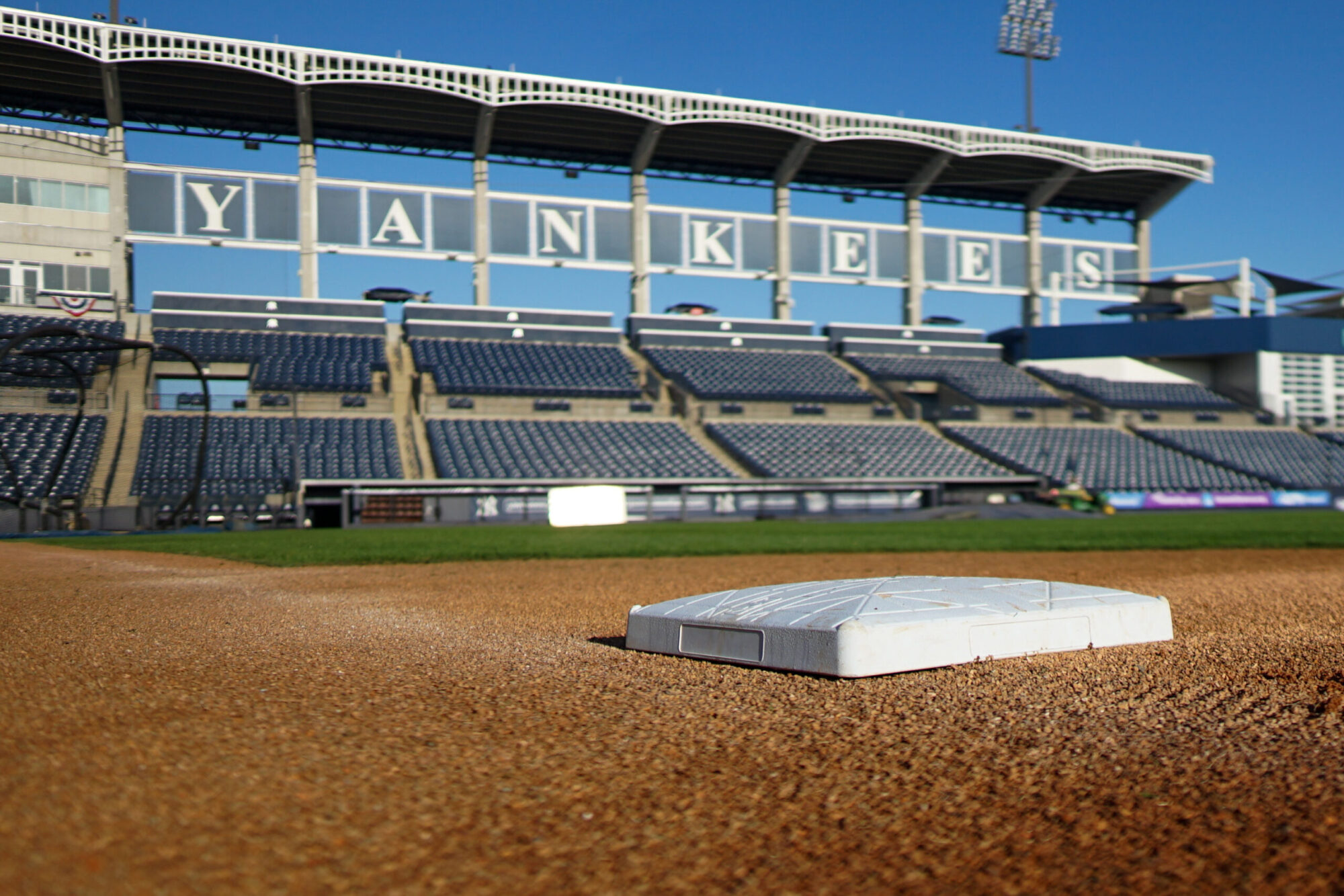
The restructuring is expected to eliminate Low-A leagues, such as the Florida State League (home of the Tampa Tarpons), largely because these leagues are often run by their respective organizations. Furthermore, the Arizona and Florida Complex Leagues are anticipated to transition into perpetual Extended Spring Training environments, meaning their games will no longer count officially.
Under this proposed structure, signed players would remain on an organization’s payroll but would not occupy a roster spot. A potential consequence of spending an entire season in the “FCL” or “ACL” is that it might affect a player’s Rule 5 status.
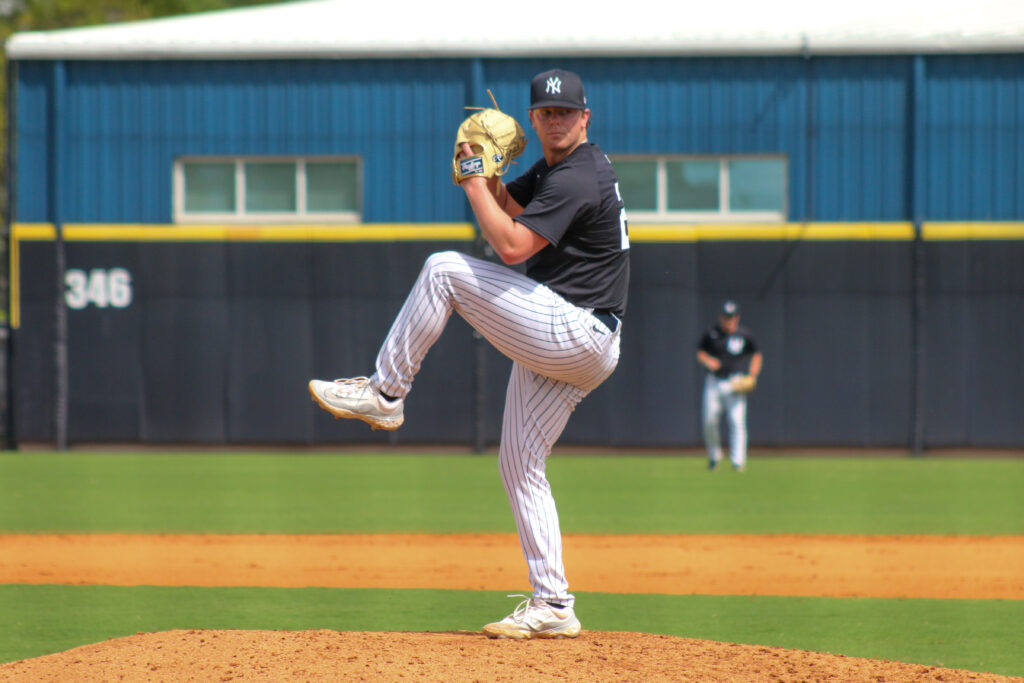
Anticipating a shorter draft, some teams are reportedly already reducing their expected head count. The MLB Draft is expected to be cut from 20 rounds to 10 rounds, essentially halving it. This reduction would mean players like Ben Rice, who might have otherwise been drafted (former 12th round pick), would instead sign as undrafted free agents (UDFAs). Furthermore, the flat $150,000 signing bonus could be replaced by an undetermined price.
Previously disclosed information suggested a near-halving of the minor leagues, with the elimination of levels such as Low-A and one of the upper levels (Double-A or Triple-A). Key criteria for these cuts would include factors like regular home stadium attendance percentages and the quality of facilities (meeting organizational standards). This theoretical reduction would shrink the minor league system from six levels to three: the Dominican Summer League, High-A, and a combined Double-A/Triple-A level. It is likely the Yankees would favor their Double-A affiliate in Somerset, given its close proximity to the Bronx.
The apparent goal is financial savings, but this seemingly minor adjustment could have significant repercussions for baseball. Teams appear reluctant to spend this offseason, likely in anticipation of a changed salary cap, the enforcement details of which are still unknown. The Yankees reportedly maintain interest in re-signing outfielder Cody Bellinger. However, there has been no reported progress, with no media discussion of any financial negotiations between the Yankees, Bellinger, or his agent, Scott Boras. The reported demand by Boras and Bellinger for a seven- or even eight-year contract (as initially reported by Barry Bloom for Forbes, in a since-retracted piece) at a $50 million AAV is likely driven by Collective Bargaining Agreement factors.
Considering Bellinger’s current age (30) and the requested high salary, this is viewed as an “absurd ask.” It would be unsound for the Yankees to offer anyone a higher Average Annual Value (AAV) than captain Aaron Judge, who is guaranteed $40 million per year through 2031. Bellinger earned $26.67 million last year before opting out of his contract, presumably to make the most he can before the CBA happens. A reasonable maximum offer would be an AAV of $35 million over five or, at most, six years, totaling between $175 million and $210 million.
The long-term impact of this significant change on baseball is still unknown, but it will likely create an environment where only the “fittest” survive, potentially denying struggling players the development opportunities they need. A compelling example is Blue Jays relief pitcher Gage Stanifer, who spent several seasons in rookie ball (FCL) and Low-A Dunedin with an ERA above 6. However, this past season, he dramatically lowered his ERA to under 2 and consequently shot up to become the team’s #6 ranked prospect, according to MLB Pipeline. I question whether players like him would be given such a long leash under the proposed new minor league structure.
Should the suggested further reduction in an advanced minor league level be implemented, the current “taxi squad” would likely cease to exist. This would be unless organizations are permitted to keep extra players within the remaining advanced level or at the team complex. Such a change would significantly hinder teams, particularly in managing pitcher injuries. One potential solution is for MLB to expand the active roster size from 26 players to 28 or 30.
Expect to hear about more significant planned changes in the coming year. These substantial modifications won’t be limited to a salary cap, so brace yourself for further announcements.